Dropshipping Automation Tools: Top Reviewed Picks for
Why Dropshipping Automation Tools Are a Game-Changer for Sellers
dropshipping automation tools have become indispensable for modern ecommerce sellers. If you’re juggling multiple suppliers, tracking orders, and managing customer inquiries, you know how quickly things can spiral out of control. The right automation tool takes the repetitive tasks off your plate, letting you focus on growing your business. In this guide, we’ll walk through the top reviewed picks that can transform your workflow and boost your bottom line.
Imagine waking up to orders that have already been processed, inventory levels that update automatically, and customers who receive shipping notifications without you lifting a finger. That’s the power of dropshipping automation. Whether you’re a beginner or a seasoned seller, these tools are designed to save you hours each week and reduce costly errors.
Our team has tested and reviewed dozens of options to bring you only the most reliable and effective solutions. We’ll cover features, pricing, and real-world performance so you can make an informed decision. Let’s dive into the best dropshipping automation tools that can elevate your store today.
What to Look for in Dropshipping Automation Tools
Key Features That Matter Most
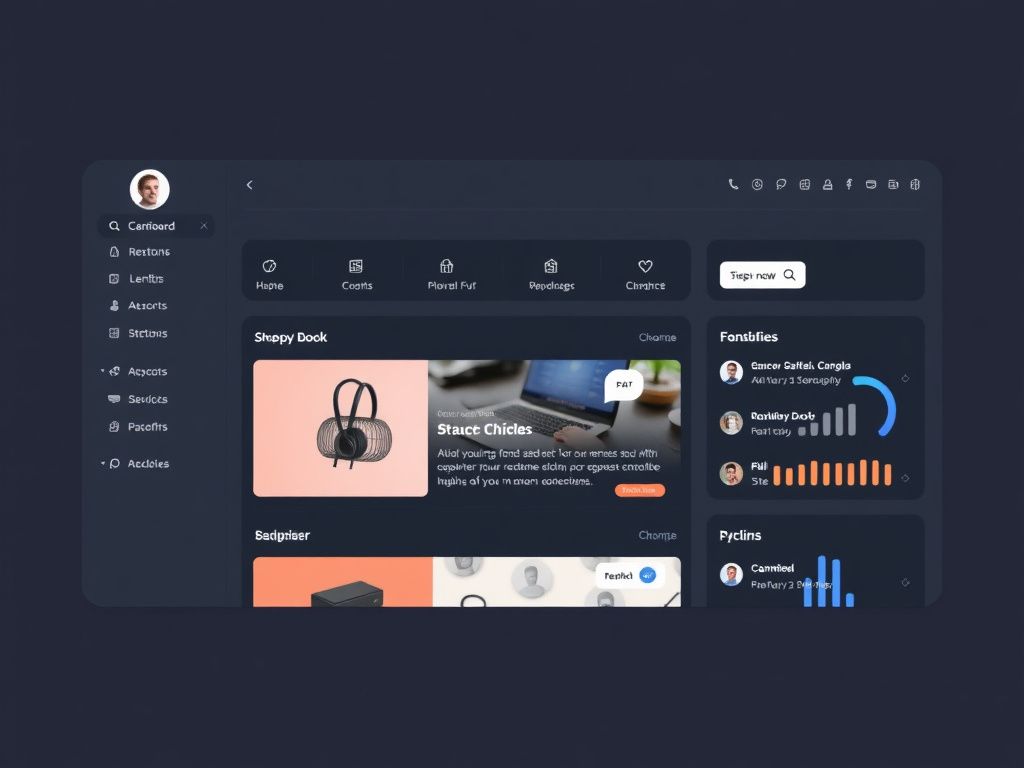
Not all automation tools are created equal. The best ones offer seamless integration with your ecommerce platform, real-time order syncing, and automated inventory updates. Look for solutions that handle supplier communication, pricing adjustments, and tracking number retrieval without manual intervention. A user-friendly dashboard is also crucial for monitoring performance at a glance.
Pricing and Scalability
Cost is always a consideration, but the cheapest option isn’t always the best. Evaluate pricing plans based on your order volume and growth projections. Many top-tier tools offer tiered subscriptions that scale with your business. Some even provide free trials, so you can test the waters before committing. Remember, the time you save often outweighs the monthly fee.
Top Reviewed Dropshipping Automation Tools
Tool #1: Oberlo – The Classic Choice
Oberlo remains a favorite among Shopify users for its simplicity and reliability. It automates product importing, order fulfillment, and inventory tracking. With its intuitive interface, you can add products from AliExpress directly to your store in just a few clicks. The tool also automatically updates order statuses and sends tracking information to customers. For sellers just starting out, Oberlo’s free plan is a fantastic entry point.
Tool #2: Spocket – Premium Suppliers, Faster Shipping
Spocket connects you with suppliers based in the US and Europe, offering much faster shipping times than typical overseas options. Its automation features include bulk order processing, automated inventory updates, and real-time pricing syncing. The dashboard is clean and easy to navigate, making it a top pick for sellers who prioritize customer satisfaction through speedy delivery.
Tool #3: DSers – Advanced Automation for AliExpress
DSers is a powerful tool for sellers who rely on AliExpress. It offers advanced features like automatic order placement, multi-supplier management, and inventory synchronization. The tool also includes a product variation mapping feature that saves time when dealing with complex product options. DSers is particularly praised for its robust automation capabilities, which can handle high-volume stores with ease.
Tool #4: Modalyst – Curated Products and Automation
Modalyst stands out for its curated selection of high-quality products from independent brands. Its automation features include automated order routing, inventory updates, and price monitoring. The platform also integrates smoothly with major ecommerce platforms like Shopify and BigCommerce. If you want to offer unique products without sacrificing automation, Modalyst is an excellent choice.
Tool #5: Printful – Custom Print-on-Demand Automation
Printful is the go-to tool for custom print-on-demand products. It automates everything from order fulfillment to shipping label generation. The tool also offers a mockup generator, which creates professional product images automatically. For sellers in the custom apparel space, Printful’s automation removes the hassle of manual order processing, letting you focus on design and marketing.
How Dropshipping Automation Tools Save You Time and Money
Streamlining Order Fulfillment
Manual order processing is not only time-consuming but also prone to errors. Automation tools ensure that when a customer places an order, it’s instantly forwarded to your supplier. This eliminates the risk of missed orders or delayed shipments. Many tools also handle returns and refunds automatically, further reducing your workload.
Automating Inventory Management
Keeping track of stock levels across multiple suppliers can be a nightmare. Automation tools sync inventory in real-time, so you never sell a product that’s out of stock. Some tools even send alerts when stock is running low, allowing you to reorder proactively. This prevents lost sales and keeps customers happy.
Enhancing Customer Communication
Automated email notifications for order confirmations, shipping updates, and delivery confirmations are standard features in most tools. This keeps your customers informed without requiring any effort on your part. Some advanced tools even integrate with email marketing platforms like Klaviyo or Mailchimp to send personalized follow-ups. For a deeper dive into email automation, check out our guide on cart abandonment email automation.
Common Mistakes to Avoid When Using Automation Tools
Over-Automating Without Monitoring
While automation is powerful, it’s not a set-it-and-forget-it solution. You still need to monitor your tools regularly to catch any glitches or supplier issues. For example, if a supplier changes their pricing without notice, your automated system might not update immediately. Set aside time each week to review your automation settings and order logs.
Ignoring Supplier Reliability
Automation can’t fix a bad supplier. Before integrating a tool, vet your suppliers thoroughly. Look for those with high ratings, fast shipping times, and good communication. An automated tool will only amplify problems if your supplier is unreliable. Pairing automation with quality suppliers is the key to success.
Neglecting Customer Experience
Automation should enhance, not replace, the human touch. Make sure your automated messages feel personal and helpful. Avoid generic templates that sound robotic. Personalize subject lines and include order-specific details. A little customization goes a long way in building customer loyalty.
Advanced Tips for Maximizing Your Automation Tools
Integrating with Other Ecommerce Platforms
Many automation tools offer integrations beyond just order processing. Connect them with your accounting software, email marketing platform, and customer service tools for a fully automated workflow. For example, integrating with Klaviyo or Mailchimp can automate your email campaigns based on customer behavior.
Using Analytics to Refine Automation
Most tools provide analytics dashboards that show order volumes, fulfillment times, and error rates. Use this data to identify bottlenecks and optimize your automation settings. For instance, if you notice frequent delays with a particular supplier, you can adjust your automation to route orders elsewhere automatically.
Scaling with Confidence
As your store grows, your automation needs will evolve. Choose tools that offer advanced features like multi-warehouse support, bulk editing, and API access. This ensures your automation can handle increased order volumes without breaking down. Start with the basics and gradually enable more advanced features as you become comfortable.
Ready to take your store to the next level? Start by exploring the dropshipping automation tools we’ve reviewed and pick one that fits your needs. Implement it step by step, monitor the results, and watch your efficiency soar. Your time is valuable—let automation do the heavy lifting so you can focus on what really matters: growing your business and delighting your customers.