Electronic Commerce Payment Methods: An Essential Guide
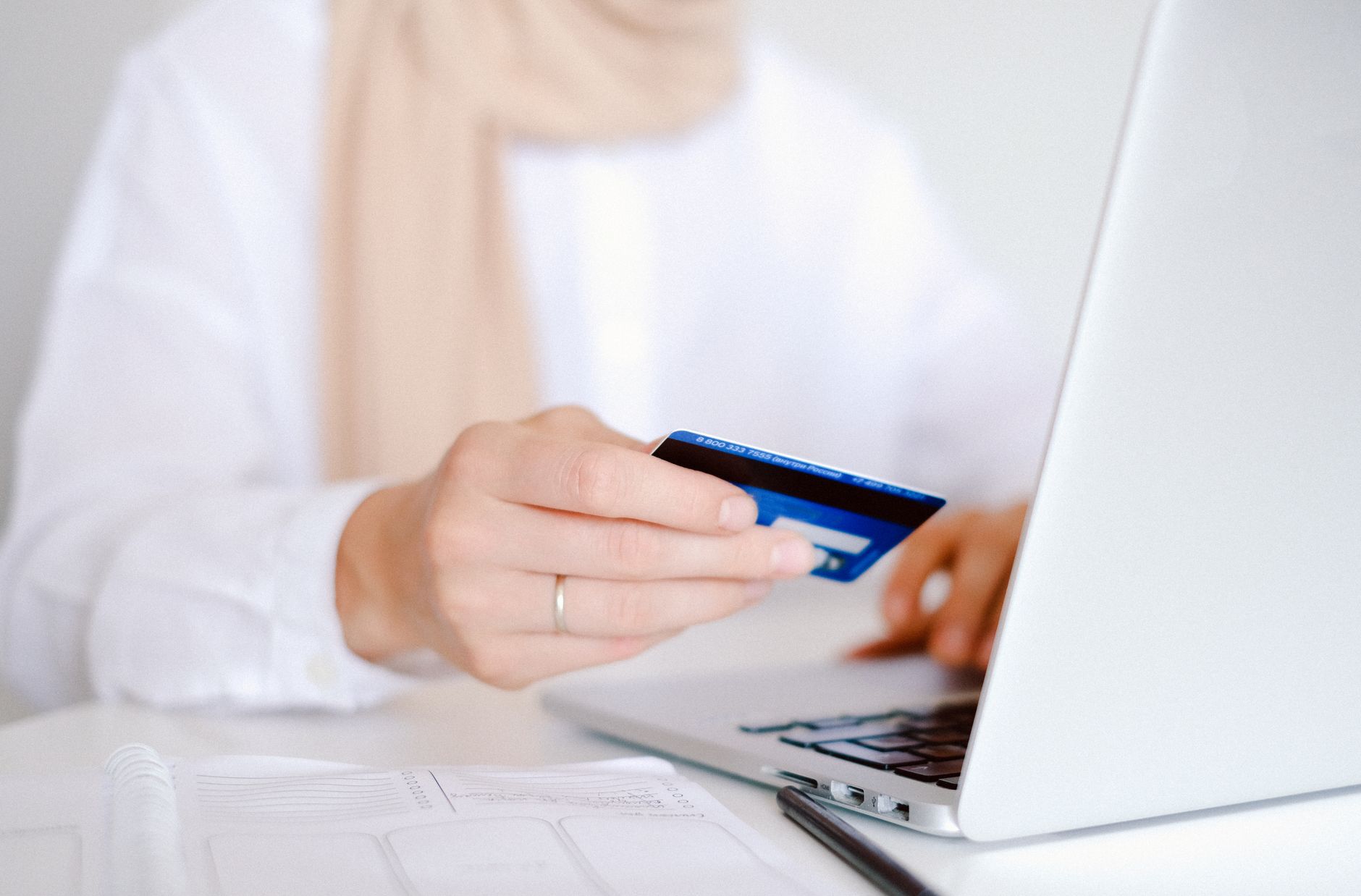
Imagine a customer, excited about a product, adding it to their cart, only to abandon the purchase at checkout because their preferred payment method isn’t available. This scenario is a common frustration for online sellers, highlighting just how crucial understanding electronic commerce payment methods truly is. In the vibrant world of digital selling, offering a diverse and secure range of payment options isn’t just a convenience; it’s a strategic imperative that directly impacts conversion rates, customer satisfaction, and ultimately, your business’s growth.
For sellers navigating the dynamic landscape of online retail, keeping pace with how customers prefer to pay is fundamental. It’s about more than just processing transactions; it’s about building trust, reducing friction, and ensuring a seamless experience that encourages repeat business. Let’s explore the various ways money changes hands in the digital realm and how you can optimize your checkout process to capture every potential sale.
The Bedrock: Credit and Debit Cards
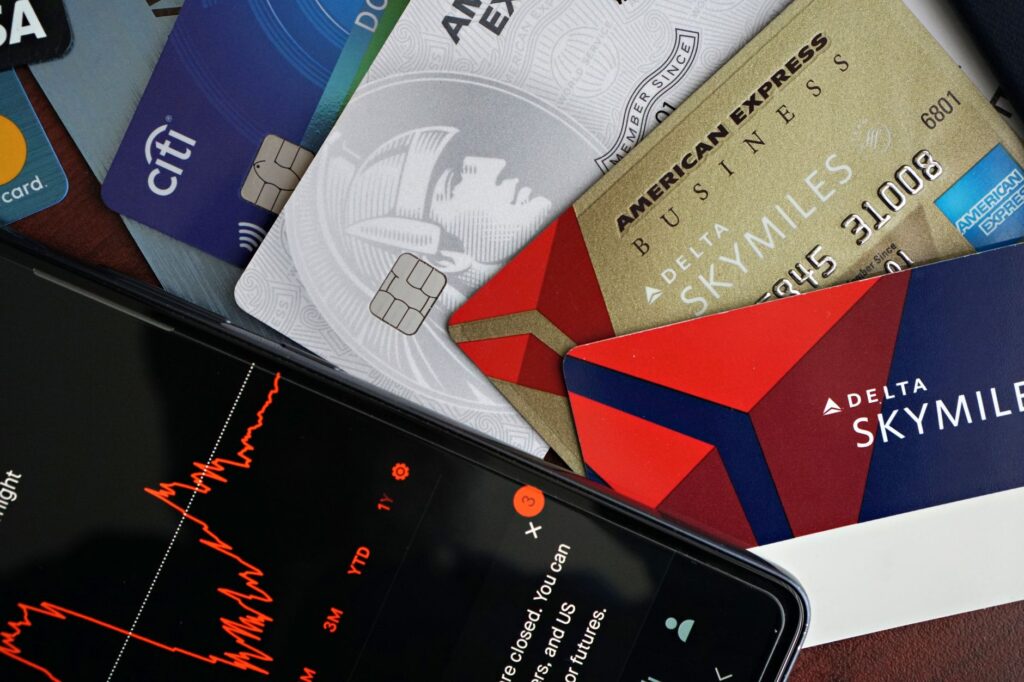
Credit and debit cards remain the undisputed champions of online payments globally. Their widespread acceptance and familiarity make them a fundamental offering for any electronic commerce business. When customers see familiar card logos like Visa, Mastercard, American Express, or Discover, it immediately conveys a sense of legitimacy and security, which is vital for building customer trust in online commerce.
Global Reach and Customer Expectation
These cards are not just popular; they are often the default expectation. A customer from almost any corner of the world will likely have access to a credit or debit card, making them indispensable for reaching a broad audience. For sellers, integrating a robust payment gateway that securely processes these transactions is paramount. This involves establishing a merchant account and partnering with a payment processor that handles the authorization, clearing, and settlement of funds.
Merchant Accounts and Payment Gateways
Understanding the interplay between merchant accounts and payment gateways is key. A merchant account is a bank account that temporarily holds funds from card transactions before they are deposited into your business bank account. A payment gateway is the technology that encrypts sensitive card information and securely transmits it between the customer, your website, the payment processor, and the banks involved. Choosing the right provider means considering transaction fees, security features, ease of integration, and customer support.
The Rise of Digital Wallets and Mobile Payments
Beyond traditional cards, digital wallets and mobile payment solutions have surged in popularity, driven by the increasing use of smartphones and the demand for faster, more convenient checkout experiences. These methods store a customer’s payment information securely, allowing them to complete purchases with just a few clicks or taps, often without needing to enter card details repeatedly.
Convenience at Customers’ Fingertips
Platforms like PayPal, Apple Pay, Google Pay, and Stripe are prime examples of digital wallets that streamline the purchasing journey. They offer unparalleled convenience, especially for shoppers on mobile devices, where typing out card numbers can be cumbersome. For sellers, integrating these options can significantly reduce cart abandonment rates by minimizing friction during checkout. Many customers feel more secure using a trusted third-party service, as their card details are not directly shared with every merchant.
Security and Speed
Digital wallets often employ advanced security features, such as tokenization and biometric authentication, adding an extra layer of protection for both customers and sellers. The speed of these transactions also means faster order processing and, potentially, quicker access to funds for your business. Embracing these modern payment methods positions your brand as forward-thinking and customer-centric, appealing to a tech-savvy demographic that values efficiency.
Exploring Diverse Electronic Commerce Payment Methods
While cards and digital wallets form the backbone, the landscape of electronic commerce payment methods extends far wider, offering specialized solutions that cater to various customer preferences, regions, and transaction types. Smart sellers recognize the value in diversifying their payment portfolio to capture every segment of their target market.
Bank Transfers and Direct Debits
In certain regions and for specific types of transactions, direct bank transfers or automated clearing house (ACH) payments (known as direct debits) are preferred. These methods can be common for larger B2B transactions, subscriptions, or in countries where card penetration is lower. While they might involve a slightly longer processing time, they often come with lower transaction fees for sellers and can provide a reliable stream of recurring revenue.
Buy Now, Pay Later (BNPL) Services
Services like Affirm, Klarna, and Afterpay have revolutionized how consumers approach larger purchases. BNPL allows customers to split their payments into smaller, interest-free installments, making high-value items more accessible. For sellers, offering BNPL can lead to increased average order values, higher conversion rates, and reduced cart abandonment, as it removes the immediate financial barrier for many shoppers. While sellers receive the full payment upfront (minus a fee), the customer benefits from payment flexibility.
Prepaid Cards and Gift Cards
Prepaid cards offer a budgeting tool for consumers and a secure way to shop online without directly linking to a bank account. Gift cards, on the other hand, are powerful tools for customer acquisition and loyalty. Offering your own branded gift cards can boost sales, encourage repeat purchases, and introduce new customers to your brand through gifts.
Cryptocurrencies: A Niche, Emerging Option
While still a niche, cryptocurrencies like Bitcoin and Ethereum are gaining traction as payment options, particularly among tech-savvy consumers. Accepting crypto can open your business to a new demographic and demonstrate innovation. However, sellers must also consider the volatility of cryptocurrency values and the operational complexities of managing such transactions, often relying on third-party processors to convert crypto into fiat currency immediately to mitigate risk.
Strategic Considerations for Implementing Payment Options
Choosing which payment methods to offer is not a one-size-fits-all decision. It requires a thoughtful strategy that aligns with your business goals, target audience, and operational capabilities. A well-considered payment strategy can significantly enhance your competitive edge.
Geographic and Demographic Relevance
Payment preferences vary dramatically across different regions and demographics. What’s popular in one country might be rarely used in another. Researching your target market’s preferred payment methods is crucial for optimizing your checkout experience. For instance, in some European countries, local bank transfer systems or specific digital wallets dominate, while in others, cards are still king. Understanding these nuances can help you tailor your offerings effectively.
Balancing Cost and Convenience
Every payment method comes with its own fee structure. While it’s tempting to opt for the lowest fees, remember that convenience for the customer often translates into higher conversion rates. Sometimes, paying a slightly higher transaction fee for a widely preferred payment method can yield a much greater return through increased sales. It’s a delicate balance between managing operational costs and enhancing the customer experience.
Security and Compliance
Regardless of the methods you choose, security and compliance must be top priorities. Adhering to standards like PCI DSS (Payment Card Industry Data Security Standard) is non-negotiable when handling sensitive customer payment information. Ensuring your payment gateway and processes are secure not only protects your customers but also safeguards your business from fraud and legal repercussions. A secure checkout builds confidence and reinforces your brand’s reliability.
The world of electronic commerce is constantly evolving, and payment methods are no exception. Staying informed about emerging trends and continuously evaluating your payment strategy is essential for any seller aiming for sustained success. Are you ready to adapt your payment options to meet the shifting demands of the global marketplace?